Knowledge
Harumi mandarin (Chunjian, Papa Gan, 春见耙耙柑) from China: names, season and specification
Buyers search for Harumi, Chunjian, Papa Gan and 春见耙耙柑 and mean the same late-season Sichuan mandarin. Chinese trade and patent literature treats Chunjian (春见) as the Chinese name of the Japanese-bred Harumi. Below: the names, how to write them on a quotation, our January to February window, and the specification we publish.
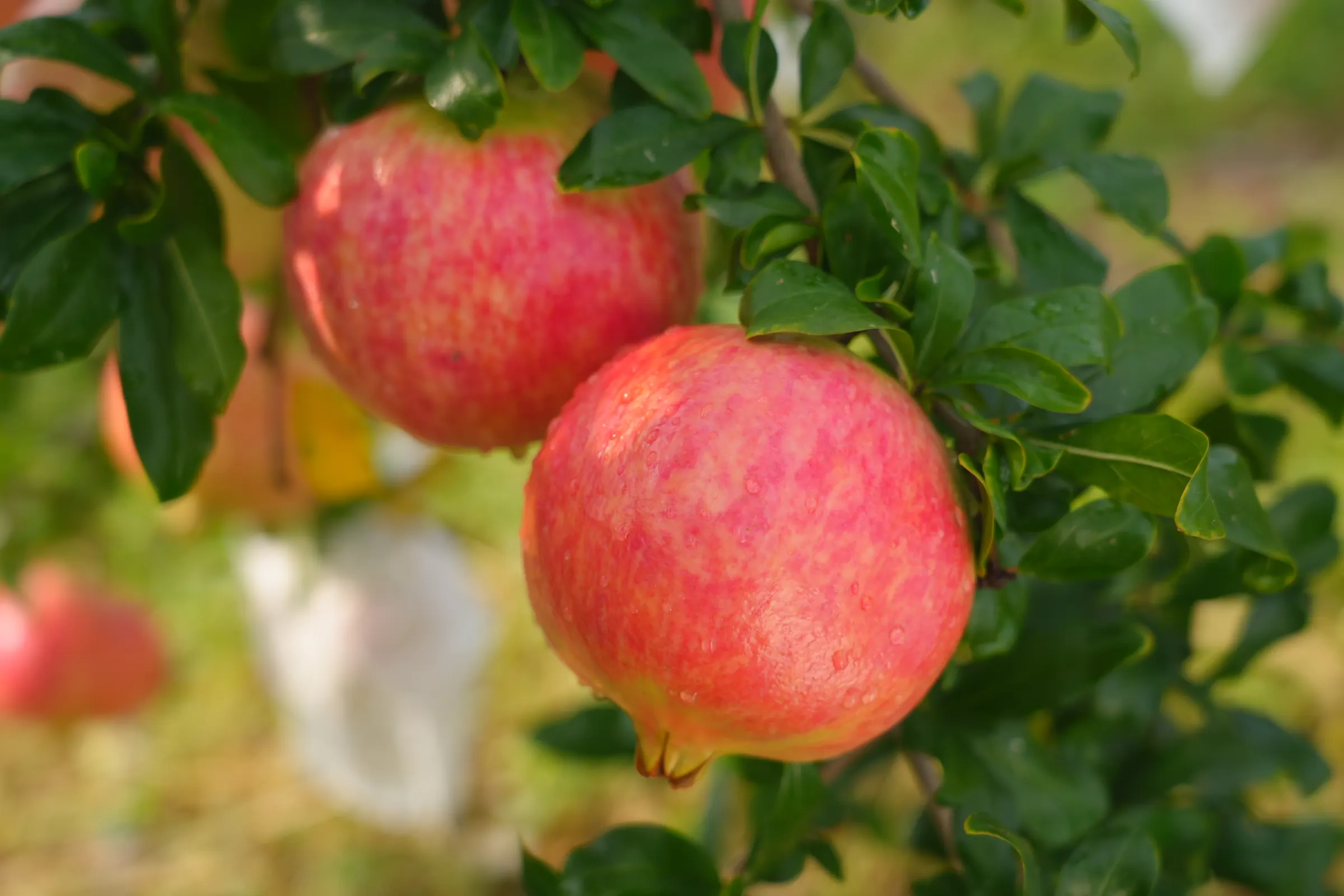
One fruit, several names
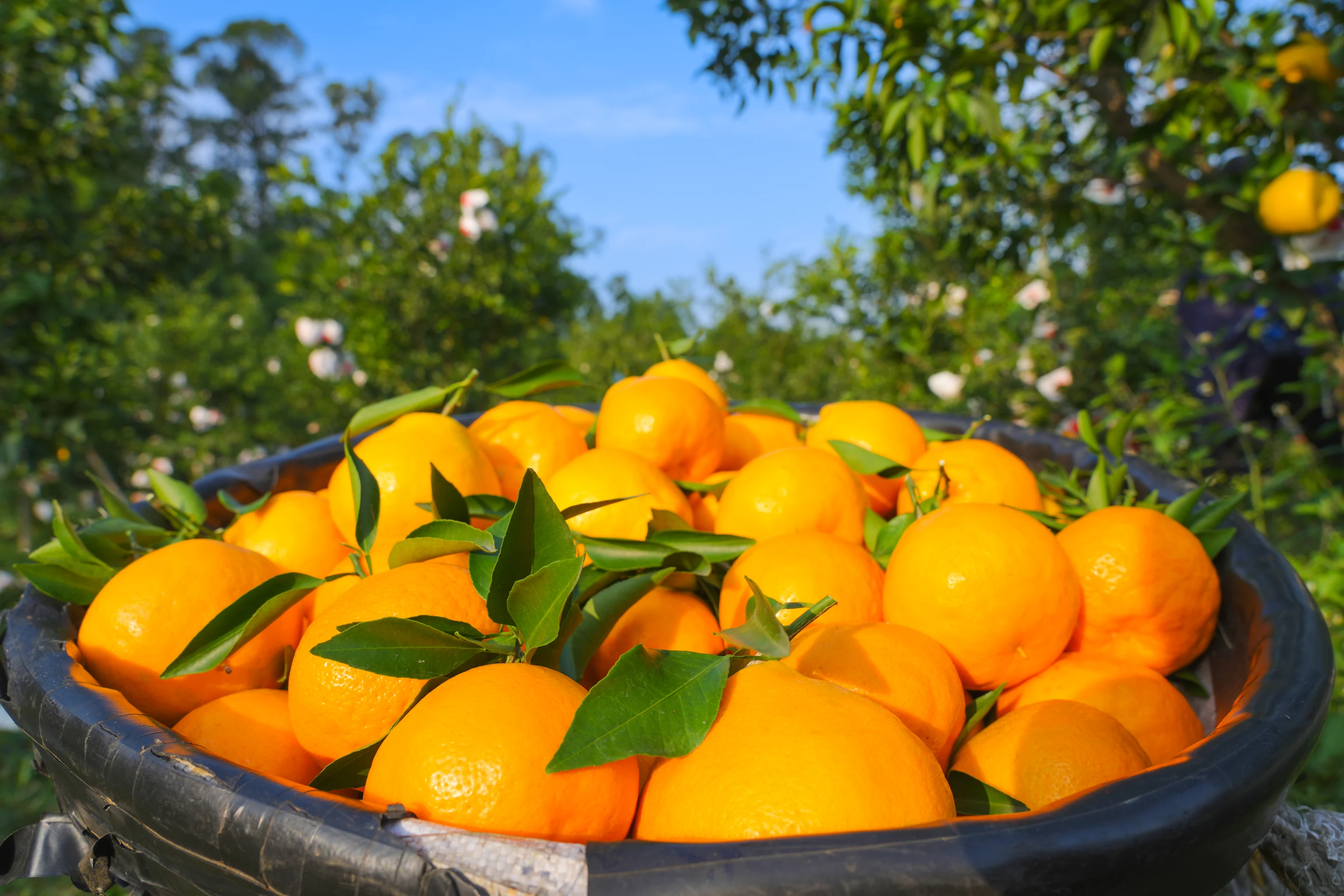
Harumi is a Japanese-bred mandarin hybrid. The citrus information site of Ehime prefecture describes it as developed by crossing Kiyomi and Ponkan, with seeds, and as a close relative of Dekopon. Chinese sources call the same fruit 春见, written Chunjian in pinyin, and use the Sichuan market name 耙耙柑, written Papa Gan or Baba Gan. A Chinese patent’s background text defines 耙耙柑 as also called 春见, bred from Kiyomi and Ponkan.
We say this with one caveat. The trade and patent literature agree, but we have not found a Japanese breeder’s page that states “Harumi equals Chunjian” in so many words. And 耙耙柑 is a market nickname for a soft, easy-to-peel late citrus; ask for the variety name on the quotation rather than relying on the nickname.
How to write the name on a quotation
Write all of it once: “Chunjian (春见) mandarin, also sold as Harumi or Papa Gan (耙耙柑), Jintang, Sichuan, China”. Then use the same string on the packing list, the carton and the phytosanitary certificate request. A mismatch between variety names on the invoice and the certificate is a classic cause of a hold at the port.
Do not confuse it with Orah or other late mandarins. Our journal note “Chunjian is not Orah” explains the difference. Ask the same question of every supplier: which variety, which district, which packhouse.
If your buyers know the fruit as Harumi, keep that word in the listing, the shelf label and the web copy, and add Chunjian only where Chinese-speaking customers shop. Search engines and shoppers use all three names, and a single consistent mapping on your side prevents duplicate listings and wrong substitutions.
Season: January to February
Our reference window for Chunjian is January to February, with most volume in January. Trade sources describe the Sichuan marketing window as late January into March; the Ehime page gives early February to late March for fruit in Japan. These are references, not stock. Your arrival month decides the packing week.
Late-season citrus is scarcer at the edges of the window, so a programme that starts in February should be agreed in December.
Tree-ripened late mandarins are firm enough to travel but they are not a long-storage fruit: published references for mandarins give 2 to 6 weeks, and we plan no more than 30 days from packing to the shelf. A buyer with a slow-moving channel should say so, because it changes the harvest week we propose.
Size, sweetness and cartons
The figures below are our published specification for the Chunjian line, grown on our own base in Jintang, Sichuan, China. They come from the same fact file as the product page, and the carton and container planning terms are confirmed in the packing plan for each order.
Chunjian shares a container with pomegranate or Ehime at the same 6–7 °C set point, which lets a buyer test it beside a line they already sell.
What to put in the enquiry
Send the variety name as you sell it, the carton (gift box or export carton), the number of cartons or containers, the destination port or rail terminal, the arrival month and the Incoterm. If you are replacing a supplier of Harumi or Papa Gan, name that supplier’s fruit size and Brix so that we can match it or say plainly that we cannot.
Harumi, Chunjian and Papa Gan side by side
| Name | Written as | Used by | What it refers to |
|---|---|---|---|
| Harumi | ハルミ / Harumi mikan | Japanese growers, importers, citrus literature | The Japanese-bred mandarin hybrid (Kiyomi × Ponkan) |
| Chunjian | 春见 / Chun Jian | Chinese growers, exporters, official variety lists | The Chinese name of the same hybrid in trade and patent literature |
| Papa Gan | 耙耙柑 / Baba Gan | Sichuan markets and consumers | A market nickname for the soft, easy-peel fruit, also used for Chunjian |
Names as found in the sources listed below, read 18 November 2026.
Chunjian trade terms
| Fruit line | Cartons | 40’ reefer load | Carriage | HS code |
|---|---|---|---|---|
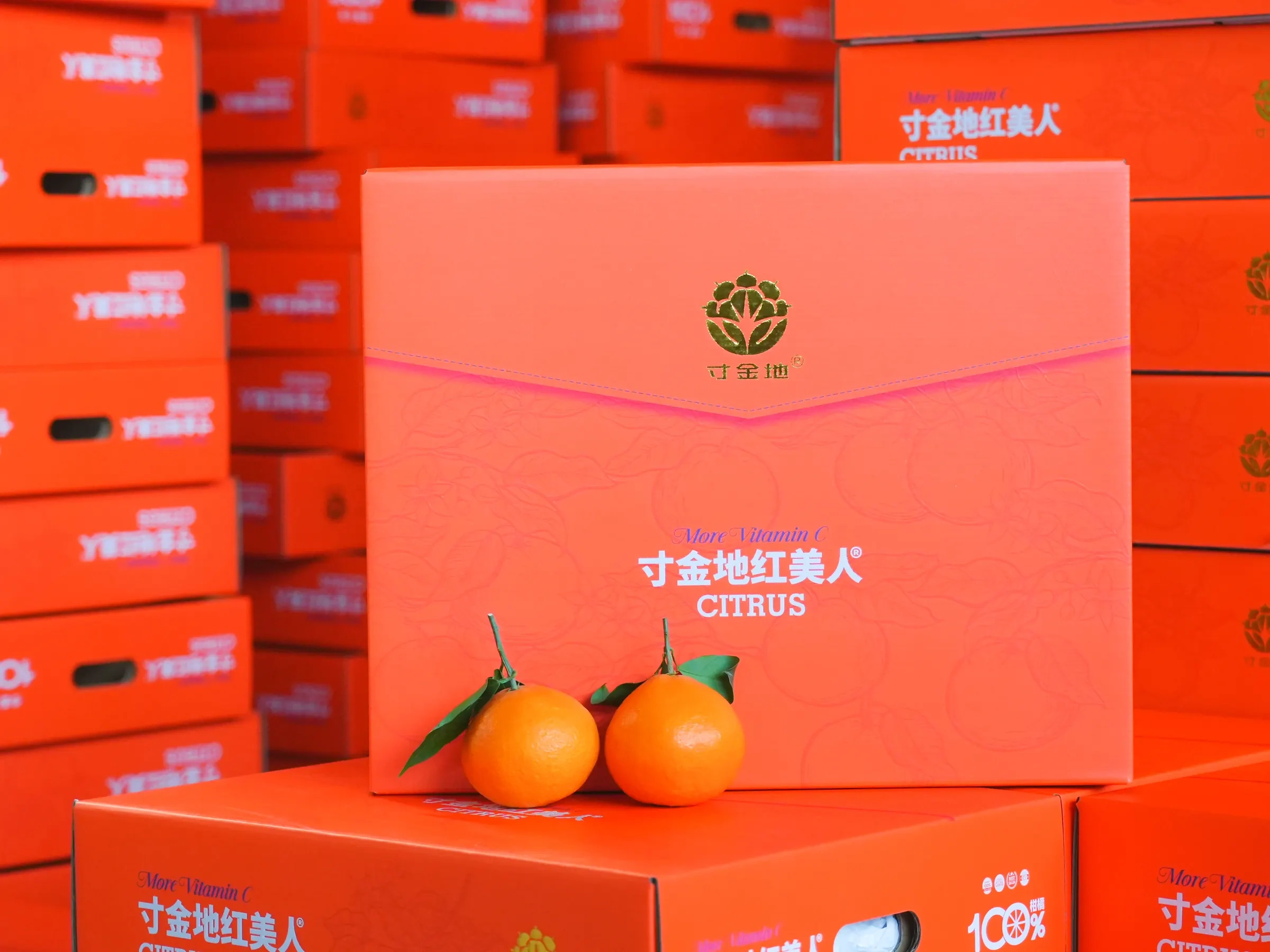
| Chunjian Tangerine | 1.5 kg or 2.5 kg gift boxes · 4 kg, 4.5 kg or 5 kg export cartons | About 2,400 × 5 kg cartons, about 12 t net, on 20 pallets — typical planning load, confirmed in the packing plan | 6 °C set point · 90–95% relative humidity · not below 5 °C | 0805.29 · China 0805290000 — some brokers declare under 0805.21; confirm with your customs broker |
Planning terms, confirmed in the pro-forma invoice and packing plan for each order.